

Have you recently noticed mysterious rustling sounds in your palm trees or stumbled upon small, dark droppings around their base? You could be dealing with palm rats — a common and destructive issue for property owners in the Jacksonville area and throughout Florida. These pests thrive in our warm environment, and left unchecked, a small population can quickly turn your yard and home into a costly headache.
In this guide, you’ll learn:
- What Are Palm Rats?
- Can Palm Rats Get into My House?
- Signs of an Infestation
- The Risks of Having Palm Rats
- How to Get Rid of Palm Rats
Listen Now to Learn About Palm Rats
This audio covers all you need to know! Also, check out our video guide.
What Are Palm Rats?
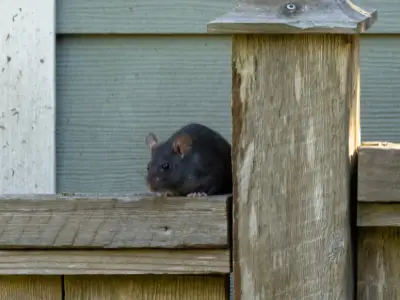
Contrary to popular belief, palm rats are not their own distinct species. Palm rats are roof rats (Rattus rattus) that have moved into a palm tree. Roof rats are naturally agile, omnivorous rodents built for high-altitude living.
While they don’t always live in palm trees, here in Florida they often do. These palm rats (also sometimes called “citrus rats” when in citrus trees) build nests inside dense palm fronds, citrus trees, hollow tree cavities, and overgrown vegetation across residential and agricultural landscapes.
Diet, Behavior, and Reproduction
- Primary Diet: Citrus fruits, avocados, nuts, seeds, and garden vegetables.
- Feeding Habits: They frequently hollow out fruit while it is still hanging on the branch, leaving damaged produce behind.
- Secondary Food Sources: Pet food left outdoors, open trash bins, birdseed, and small insects.
- Activity: Strictly nocturnal, actively foraging and gathering nesting material while you sleep.
- Rapid Reproduction Rate: Palm rats reproduce at an alarming rate. A single female can produce up to six litters per year, averaging 5 to 8 young per litter. Because of this exponential growth, a minor nuisance in the spring can escalate into a severe infestation within months.
Can Palm Rats Get into My House?
Yes, it happens all the time. Roof rats move into a palm tree near your roofline, and the next thing you know they’ve moved inside. They use tree branches, fence tops, and overhead utility lines as elevated highways to move between Florida’s lush canopy and residential structures.
Because they prefer nesting in high places, they easily transition from palm trees to your roof. Once on your roof, they can squeeze through openings as small as a nickel—such as damaged soffits, ridge vents, or gaps around utility pipes—to enter your attic, walls, and ceiling voids in search of shelter and food.
Signs of a Palm Rat Infestation
Roof rats leave distinct physical evidence across your yard and home:
- Droppings: Small, dark, capsule-shaped droppings (about 1/2 inch with pointed ends) near tree bases, outdoor eating areas, or attic spaces.
- Damaged Produce: Partially eaten or hollowed-out citrus and fruit hanging from branches.
- Noises at Night: Rustling in palm fronds, scratching along soffits, or pitter-patter inside ceiling voids after dark.
- Gnaw Marks: Chewed bark, plastic, outdoor wiring, or wood paneling.
- Nesting Materials: Shredded palm fibers, leaves, paper, or insulation collected in tree crowns, soffit corners, or attics.
Need a Rodent Control Estimate?
The Risks of Having Palm Rats
Dealing with roof rats in a palm tree on your property poses significant structural, health, and safety hazards:
- Fire Hazards: Palm rats constantly gnaw on hard materials to keep their teeth down. Inside attics and exterior walls, they chew through electrical wiring, exposing live wires and creating severe short-circuit fire hazards.
- Property & Tree Damage: Nesting in palm crowns weakens fronds, increasing the risk of frond loss during storms. Indoors, they shred ductwork, chew wooden beams, and ruin attic insulation.
- Disease Transmission: Palm rats carry dangerous pathogens transmitted through urine, droppings, saliva, or bites. Major health risks include Leptospirosis (a bacterial infection spread via urine-contaminated soil or water), Hantavirus (a severe respiratory illness caused by inhaling dust contaminated with droppings or urine), Salmonellosis (food contamination from rat feces resulting in severe gastrointestinal illness), as well as Murine Typhus & Flea-Borne Illnesses (spread by fleas and ticks that infest palm rats).
- Food Contamination: They gnaw through packaging in pantries, outdoor kitchens, and gardens, contaminating food supplies with waste and saliva.
How to Get Rid of Palm Rats
If you’ve identified palm rats on your property, the next step is getting rid of them. There’s no magic bullet here – clearing your property of palm rats may require a combination of trapping, environmental control, and exclusion tactics.
1. Rat Traps & Baiting
- Snap Traps: Place traps along elevated travel routes, such as fence rails, attic beams, or large tree limbs.
- Bait Stations: Under Florida regulations, rat poisons used outdoors must be secured in tamper-resistant bait stations to protect pets and local wildlife. Use paraffinized bait blocks, which are designed to withstand North Florida’s high humidity without molding.
2. Prevention & Physical Exclusion
- Trim Tree Canopy: Prune palm fronds and tree branches back at least 6 feet from your roofline to remove their direct bridge to your attic.
- Install Tree Guards: Wrap 18- to 24-inch metal or plastic guards around tree trunks to prevent rats from scaling palms and fruit trees.
- Seal Entry Points: Inspect your home’s exterior for gaps, cracks, or loose soffits. Seal any opening larger than a dime using steel wool or heavy-gauge hardware cloth, which rats cannot chew through.
- Eliminate Food Sources: Clean up fallen fruit daily, store pet food in airtight containers indoors, and secure outdoor trash cans.
Contact Your Local Rat Control Experts
Palm rat, roof rat, citrus rat – no matter what you call them, it’s the same challenge. Managing a roof rat infestation high up in palm trees or inside tight attic spaces requires professional tools and expertise.
If you suspect roof rats have taken up residence on your Jacksonville property, don’t wait for structural damage or health risks to escalate. Bug Out has protected Jacksonville area homes and businesses with proven rodent control solutions since 1963.
Call our team today for a free consultation and no-obligation estimate.
Palm Rat FAQS
Got questions about palm rats in your trees, or roof rats in your house? No problem – here are some answers to some frequently asked questions. If you don’t find your answer here, please reach out and speak with one of our friendly experts.


