
Serving Ocala | St Augustine | Gainesville | Palm Valley
Key Takeaways
- Spring fertilization (March-April) is ideal for jump-starting growth after winter dormancy and preparing your lawn for Florida’s intense summer heat
- Fall fertilization (September-October) strengthens root systems before cooler temperatures arrive, setting the foundation for year-round health
- Avoid fertilizing during winter months when grass is dormant and cannot effectively absorb nutrients
- St. Augustine, Bahia, and Zoysia grasses thrive with properly timed fertilization schedules
- Working with a professional lawn care team ensures proper application rates, timing, and product selection for optimal results
- Never fertilize before heavy rain, frost, or during drought conditions to prevent waste and potential lawn damage
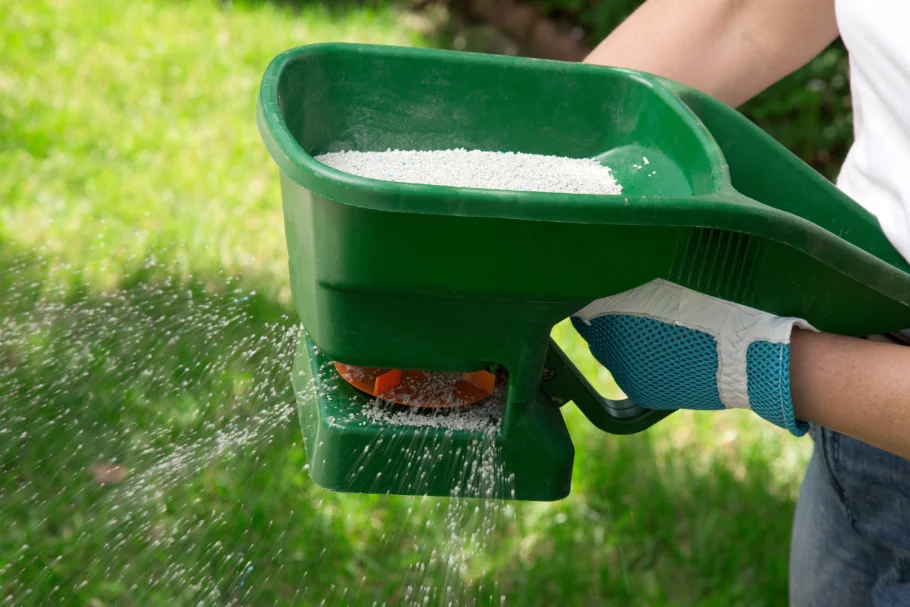
The timing can vary depending on the type of grass and climate conditions in your area. Generally, early spring or early fall is the ideal time to apply fertilizer, though each lawn may have specific needs. Fertilizing your lawn at the wrong time of year can lead to poor results, such as uneven growth or scorching. That’s why choosing the right time is key.
Early spring fertilization revives grass growth after winter, offering crucial nutrients that support healthy development and encourage vibrant, green growth. This is especially beneficial for cool-season grasses. Also, early fall fertilization boosts your lawn’s strength before winter arrives. It provides nutrients that enhance root growth and overall durability, ensuring the grass survives the chill. Warm-season grasses benefit greatly from this timing.
| Season | Best Months | Why Fertilize at This Time (or Not)? | Best for |
|---|---|---|---|
| Early Spring | Late February-April | Jumpstarts growth after winter dormancy and provides nutrients for blade development and green color | All grass types |
| Late Spring | May & June | Sustains growth momentum and prepares lawn for summer stress | Warm-season grasses: St. Augustine, Bermuda, Zoysia, and Bahia |
| Summer | July & August | Maintenance feeding only if needed to support active growth period | Established, healthy lawns only |
| Early Fall | September & October | Strengthens root systems, builds nutrient reserves for winter, and improves cold tolerance | All Florida grass types |
| Late Fall | November | Final feeding before dormancy and winterizing treatment | Lawns needing extra support before cooler months |
When Should I Not Apply Lawn Fertilizer?
There are times when applying lawn fertilizer may not be the best choice. It’s advisable to wait if you find yourself in any of these situations:
- Heavy Rain Is Expected: While some moisture is beneficial for fertilizers, excessive rain can wash away the treatment before it can absorb into the soil. This can also lead to uneven distribution, resulting in patchy growth and possible chemical burns in certain areas.
- Frost Is Expected: If freezing temperatures are expected within the next four to six weeks, it’s best to delay fertilizing. Grass will go dormant during frost, reducing its ability to absorb nutrients effectively.
- Experiencing a Drought: Fertilizers rely on water to break down and reach the soil. During a drought, the lack of moisture prevents the fertilizer from reaching the grassroots. It’s better to apply fertilizer in the spring to help your grass recover from dormancy and prepare for summer heat.
Can I Fertilize My Lawn in Winter?
Fertilizing during this time won’t have much effect, and over-application can cause burns that could harm the grass over the winter. Instead, it’s better to focus on fertilizing in the early spring or fall when the grass is actively growing and can better absorb the nutrients.
It’s a common belief that fertilizing in winter helps grass survive the cold, but that’s not always the case. Grass goes dormant in cold weather, meaning it stops growing and absorbs fewer nutrients.
While fertilization isn’t recommended, winter is an excellent time to:
- Test your soil to determine nutrient needs for spring.
- Address weed issues before they establish themselves.
- Plan your fertilization schedule for the upcoming year.
- Inspect for pest damage that may need treatment.
- Maintain proper mowing height to protect grass crowns.
Fertilization Tips
- Know your grass type. Different grass varieties have different nutritional needs and optimal fertilization windows.
- Understand local regulations. Many Florida counties and municipalities have enacted fertilizer ordinances to protect water quality, including blackout periods and buffer zone requirements.
- Consider slow-release formulas. Florida’s frequent rainfall can quickly wash away traditional fertilizers. Slow-release formulas offer several advantages, such as reduced burn risk and less environmental runoff.
Get the Best Results With Lawn Fertilization
To get the best results with your lawn fertilizer, consider working with a lawn care expert. They can help you choose the ideal fertilizer, plan out treatments, and follow best practices customized for your yard’s needs, ensuring a healthy and thriving landscape.
If you’re looking to learn more about lawn care or schedule a treatment, the Bug Out team is ready to assist. Our technicians have extensive experience serving Florida residents and businesses, ensuring we know how to handle the local environment for the best results. Reach out today for more info!


