
Termites pose a serious threat to homeowners throughout Jacksonville FL, and drywood termites are among the most destructive types you need to watch out for. Recognizing the signs of a drywood termite infestation early can save you from costly repairs and stress.
These pests are experts at hiding inside dry wood, quietly damaging your home from the inside out.
What Exactly Are Drywood Termites?
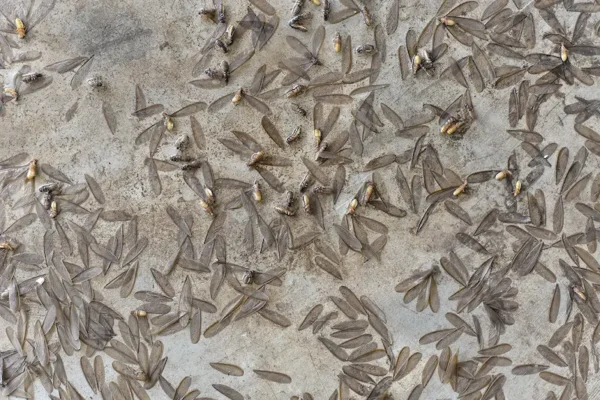
Drywood termites are unique because they live entirely inside dry wood, unlike their subterranean relatives that depend on soil moisture. These termites extract all the moisture they need directly from the wood they consume, which means they can infest anything from your roof supports to hardwood floors and even furniture.
They come in various sizes based on their role within the colony. Soldier termites, tasked with defense, measure about three-eighths of an inch, while reproductive termites, responsible for creating new colonies, can grow up to half an inch. Typically, they have a pale brown color, though some may appear darker or slightly yellowish.
Drywood Termites vs. Subterranean Termites: What’s the Difference?
The main distinction lies in their habitat and survival needs. Subterranean termites thrive in moist environments and rely on direct contact with soil, building mud tubes to access wooden structures. Drywood termites, by contrast, live exclusively inside dry wood above ground and don’t require soil or moisture from outside sources.
Subterranean termites usually invade from below through your home’s foundation. Drywood termites can fly in through attic vents or tiny cracks around windows, establishing colonies wherever dry wood is available – from attic beams to wooden furniture.
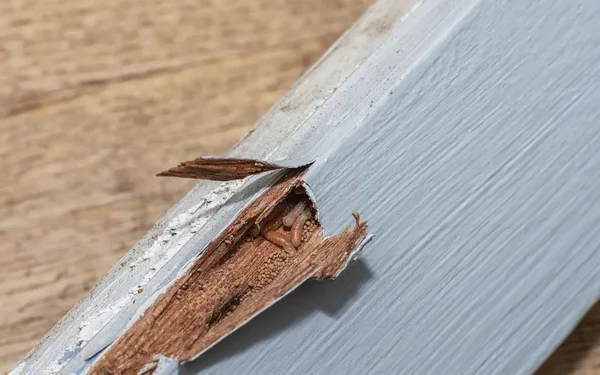
Their feeding habits differ as well. Drywood termites tunnel across the wood grain, creating smooth galleries that weaken both soft and hard wood layers. This damage can seriously compromise your home’s structural integrity if left untreated.
Warning Signs of Drywood Termite Infestations
- Swarming Termites: Seeing winged termites fluttering around your home usually signals an active colony nearby. These reproductive termites are searching for new places to establish nests.
- Pellets: Drywood termites push out tiny droppings called frass through small “kick-out holes” in infested wood. These pellets resemble grains of rice and often accumulate beneath affected areas.
- Blistered or Hollow Wood: You might notice wood surfaces that appear bubbled or blistered. Tapping on these areas may produce a hollow sound despite looking solid. Doors or windows that suddenly jam or don’t close properly can also indicate hidden termite damage.

Because drywood termites work silently inside wood, infestations often go unnoticed until severe damage occurs. That’s why regular professional inspections are essential to catch problems early.
Why Are Drywood Termites So Difficult to Eliminate?
Drywood termites are notoriously tough to eradicate because they nest deeply within wood, often hidden behind walls or high in attic beams. Simply spraying the surface won’t reach them. Colonies can spread across your home’s wooden framework, and since they don’t need soil contact, satellite colonies can form in different areas.
What’s the Most Effective Treatment for Drywood Termites?
Treatment depends on how widespread the infestation is. For localized problems, targeted methods like injecting termiticides directly into galleries or using expanding foam treatments can eradicate the pests.
If the infestation covers larger parts of your property, fumigation is often the best solution. Although it requires temporarily vacating your home, fumigation penetrates every nook and cranny, killing termites even in hard-to-reach wood.
Our Approach to Drywood Termite Control
At Bug Out, our termite specialists begin with a thorough inspection of your entire property, leaving no potential entry point or hiding place unchecked. From visible wooden beams to concealed areas behind walls, we identify the full scope of your termite problem.
Based on our findings, we tailor a treatment plan to fit your needs. Small infestations receive precise, targeted treatments, while extensive problems may require tent fumigation for total extermination.
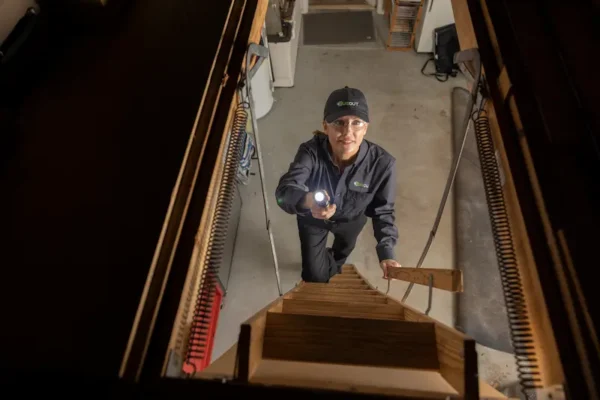
Our commitment doesn’t end once the termites are gone. We conduct follow-up visits to ensure the infestation is fully resolved and provide guidance on how to keep your home protected, such as sealing cracks and minimizing conditions that attract termites.
Protect Your Jacksonville FL Home with Bug Out
Termites can quickly turn your dream home into a costly headache, but you don’t have to face them alone. With 60 years of experience, our team knows how to stop wood-destroying pests before they cause irreversible damage.
Don’t wait until you see the signs of damage. Contact Bug Out today for a professional termite inspection and safeguard your home against these silent invaders.