
Key Takeaways
- While mosquitoes cause significant global mortality, the risk of dying from mosquito-borne illness in Florida remains extremely low.
- Localized transmissions of diseases like West Nile Virus, Dengue, and Malaria are rare in Florida, with the majority of cases being contracted by individuals traveling abroad.
- Out of over 200 mosquito species in the United States, only about a dozen specific species within the Aedes, Culex, and Anopheles groups are capable of spreading these diseases.
- Many mosquito-borne infections result in mild or no symptoms, but severe cases can cause critical health complications affecting the central nervous system, joints, or vital organs.
- Monitoring local news for outbreak updates and seeking immediate medical care if severe symptoms develop after a bite are essential precautions for managing health risks.
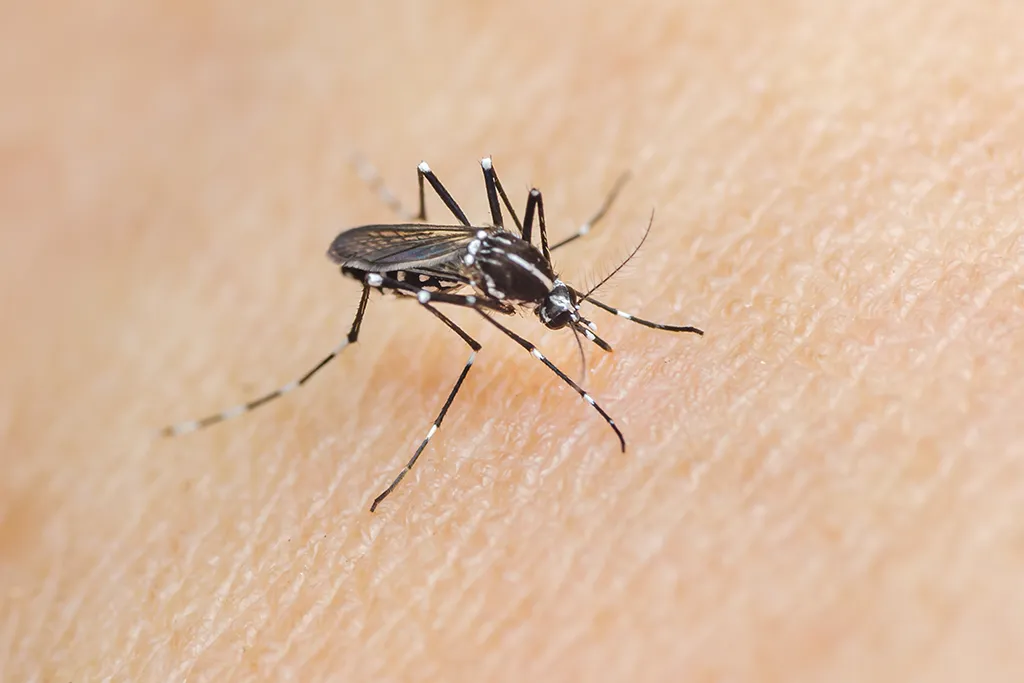
Mosquitoes are infamous for their disease-spreading potential. Around the world, it’s estimated that mosquito-borne diseases result in more than 700,000 deaths annually. That number is frightening, but Florida residents can take a slight sigh of relief. The vast majority of cases occur in tropical and subtropical regions outside the United States that have substandard access to medical care.
Here in Florida, the risk of dying from mosquito-borne disease is extremely low. Still, it’s important to understand just how dangerous mosquitoes can potentially be. Confirmed cases of locally transmitted malaria, Dengue, and West Nile Virus are rare, but have happened.
Because of their potential for spreading diseases, it’s always best to be cautious about mosquitoes. We also recommend monitoring the local news for updates about disease spread. If you ever hear of localized transmission of any tropical diseases, be even more careful.
Mosquito-Borne Diseases in Florida - What Are the Biggest Risks?
| Risk Tier | Disease / Pathogen | Status in Florida | Primary Health Impact & Risk |
|---|---|---|---|
| HIGH RISK | West Nile Virus (WNV) | Most common endemic human virus; active annual transmission. | Affects the central nervous system; can cause severe neurological illness (encephalitis/meningitis) in <1% of cases. |
| Dengue Fever | Frequent travel-related cases; consistent localized outbreaks (especially South FL). | Known as “Breakbone Fever”; causes high fever, severe joint/muscle pain, and rash. | |
| Canine Heartworm | Severe, state-wide, year-round threat to pets. | Fatal heart and lung disease in dogs and cats if left untreated. | |
| OCCASIONAL RISK | Eastern Equine Encephalitis (EEE) | Natively circulating; low case count but high severity. | Highly dangerous and often fatal; causes severe brain inflammation in humans and horses. |
| Malaria | Mostly travel-related; rare, isolated local transmission clusters. | Parasitic infection causing cyclic high fevers, chills, and anemia. | |
| St. Louis Encephalitis (SLE) | Endemic virus with sporadic, closely monitored outbreaks. | Inflammatory brain disease with symptoms similar to WNV; older adults are at highest risk. | |
| MINIMAL RISK | Zika Virus | No active local transmission; strictly a travel-related risk. | Generally mild symptoms, but poses a severe risk of birth defects (microcephaly) if contracted during pregnancy. |
| Chikungunya Virus | No recent active local outbreaks; travel-related. | Causes fever and severe, often debilitating joint pain that can persist for months. |
Which Mosquitoes Can Transmit Disease?
In the United States, over 200 mosquito species have been identified, but disease transmission is primarily attributed to three mosquito genera: Aedes, Culex, and Anopheles. Each genus encompasses multiple species with varying capabilities for disease transmission.
Fortunately, not all mosquito species are disease vectors; many serve merely as irritating pests without posing significant health risks.
Symptoms of Mosquito-Borne Diseases
While many mosquito bites result in minor symptoms, certain signs may indicate a more severe vector-borne disease, including:
- Sudden high fever
- Stiff neck
- Confusion
- Nausea or vomiting
- Muscle tremors or seizures
- Severe headaches
- Rash
Experiencing these symptoms following a mosquito bite should prompt an immediate visit to a healthcare facility for assessment and treatment. Awareness and timely response are crucial in managing the risks associated with mosquito-borne diseases.
Do Mosquitoes Spread Malaria in Florida?
In the United States, over 200 mosquito species have been identified, but only about 12 of these are known to spread diseases. Recorded outbreaks include Dengue, Chikungunya, Zika Virus, and Malaria, notably in regions such as Florida, Texas, Puerto Rico, Hawaii, and the US Virgin Islands. Malaria cases are predominantly reported in travelers returning from affected tropical areas, highlighting that most mosquitoes encountered domestically are unlikely to transmit serious diseases.
Most of the time, no, but isolated outbreaks have been known to happen. Historically, the U.S. sees about 2,000 to 2,500 malaria cases annually, but nearly all are imported by travelers returning from malaria-endemic areas. The most recent notable local malaria outbreaks in the U.S. occurred in the summer and fall of 2023.
- Also known as a plasmodium infection, malaria is a disease caused by a protozoan parasite from the plasmodium genus that is spread through the bite of infected mosquitoes.
- In Florida, seven cases of Plasmodium vivax malaria were reported in Sarasota County between May and July 2023.
- The P. vivax malaria parasite causes milder symptoms but poses a fatal threat to pregnant individuals and children.
Is Malaria Dangerous?
Yes, absolutely. Malaria is one of the deadliest diseases on the planet and it is transmitted to humans through mosquito bites.
- In the initial stages, it can resemble flu-like symptoms, including shivering, muscle pain, vomiting, and profound exhaustion.
- If left untreated, it can lead to severe complications like kidney failure, seizures, and other critical ailments.
- Most individuals experience symptoms within four weeks after being bitten by an infected mosquito. However, some individuals may not exhibit signs of illness until much later, even up to a year after the initial infection.
- If you suspect you might be infected with malaria, it is crucial to seek immediate medical attention for diagnosis and treatment.
- Some individuals experience malaria “attacks,” which look like shivering or chills, followed by high fever or sweats, and finally a return to normal temperature. If you are experiencing these symptoms and suspect malaria, please seek medical treatment.
Do Mosquitoes Spread Dengue in Florida?
About 97% of these cases were acquired outside the continental U.S., primarily in the Caribbean, Mexico, and Central America.
- Localized dengue transmission is rare in the United States, but it does occur.
- There was a surge in the U.S. in 2024, with a reported 3,798 dengue cases, or a 359% increase over the 2010–2023 annual average.
- The primary mode of transmission for Dengue fever is through the bites of Aedes mosquitoes that are infected.
- While some might think Dengue can spread from one person to another, this is inaccurate. Instead, when an Aedes mosquito bites someone infected with Dengue, it becomes a vector for the disease, capable of infecting others. This cycle perpetuates in areas where Dengue is widespread.
Is Dengue Dangerous?
Yes, it can be extremely dangerous. Dengue fever is prevalent in over 100 countries across Africa, the Americas, the Eastern Mediterranean, Southeast Asia, and the Pacific Islands, with yearly infections estimated between 100 and 400 million.
- While many infections don’t show symptoms, dengue can cause severe illness in roughly 500,000 individuals annually and leads to about 40,000 deaths.
- Dengue is often characterized by high fever, severe headache, pain behind the eyes, joint and muscle pain, rash, and mild bleeding (such as nose or gum bleed).
- It can appear four to ten days after an infected mosquito bite.
Do Mosquitoes Spread West Nile Virus in Florida?
Yes. Outbreaks of West Nile virus tend to come and go. The best way to stay informed is by following local news and acting with extra precaution when an outbreak is happening.
Is West Nile Virus Dangerous?
- West Nile virus is a disease that causes West Nile fever, and is spread by the Culex mosquito.
- Most people infected with the West Nile virus do not experience any symptoms. However, about one in five infected people may develop a fever along with other symptoms such as headache, body aches, joint pains, vomiting, diarrhea, or rash.
- More severe infections can lead to encephalitis or meningitis, which include symptoms like high fever, headache, neck stiffness, disorientation, coma, tremors, seizures, or paralysis.
Do Mosquitoes Spread West Nile Virus in Florida?
Yes. Outbreaks of West Nile virus tend to come and go. The best way to stay informed is by following local news and acting with extra precaution when an outbreak is happening.
Is West Nile Virus Dangerous?
- West Nile virus is a disease that causes West Nile fever, and is spread by the Culex mosquito.
- Most people infected with the West Nile virus do not experience any symptoms. However, about one in five infected people may develop a fever along with other symptoms such as headache, body aches, joint pains, vomiting, diarrhea, or rash.
- More severe infections can lead to encephalitis or meningitis, which include symptoms like high fever, headache, neck stiffness, disorientation, coma, tremors, seizures, or paralysis.
Do Mosquitoes Spread Zika in Florida?
Fortunately, there have been no confirmed cases of localized Zika spread in Florida. Zika cases are usually mild, but they can cause severe birth defects if a pregnant woman is infected. State agencies will continue to monitor possible spread of Zika in Florida to protect Floridians everywhere.
Do Mosquitoes Spread AIDS in Florida?
No, mosquitoes are incapable of transmitting HIV or the AIDS virus. There have never been any confirmed cases of this happening, so you don’t have to worry.
For more information on why it’s impossible, check out our full length article >> Can Mosquitoes Spread AIDS?
Call Your Local Mosquito Exterminators Today
If you’re concerned about the possibility of mosquito-borne diseases, working with a professional mosquito exterminator is your best line of defense. At Bug Out, our experienced technicians can create a customized plan to help protect you all spring and summer. For more information or a free estimate, reach out to us today.
Think you might be dealing with a mosquito-borne illness? Experiencing any symptoms following a mosquito bite should prompt an immediate visit to a healthcare facility for assessment and treatment. Awareness and timely response are crucial in managing the risks associated with mosquito-borne diseases.


