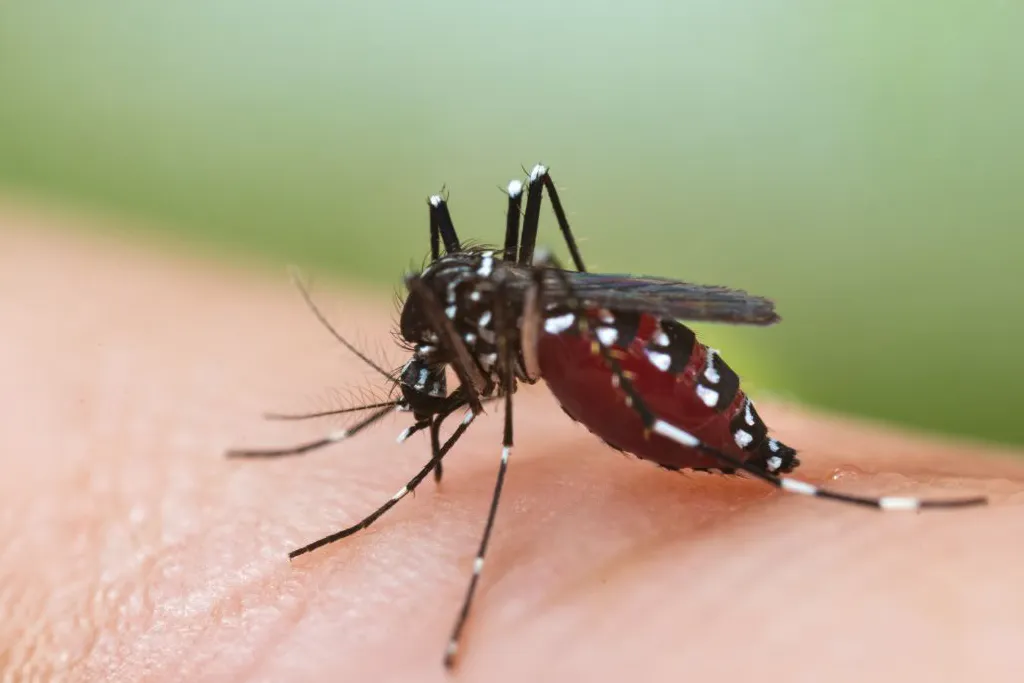
Can Mosquitoes Transmit HIV or AIDS?
This anatomical feature is crucial in preventing the transmission of HIV via mosquito bites, as any HIV-positive blood consumed by a mosquito cannot be passed on to another host.


Learn how to identify common mosquito species and understand their behaviors. Find guides, characteristics, and visual cues to help you recognize what you’re dealing with.
This anatomical feature is crucial in preventing the transmission of HIV via mosquito bites, as any HIV-positive blood consumed by a mosquito cannot be passed on to another host.
Fortunately, not all mosquito species are disease vectors; many serve merely as irritating pests without posing significant health risks.
Nectar, plant sap, and honeydew constitute the primary food sources for mosquitoes, ensuring their energy needs for survival and flight.
Following a blood meal, a female mosquito gains the ability to reproduce. Males, in contrast, do not bite.
The development cycle of a mosquito, from egg to adult, unfolds over approximately two weeks.
The mosquito population tends to soar during the warmer seasons, leading to an uptick in their presence in your vicinity.
Mosquitoes are oftentimes smaller than you think, which is why people often confuse much larger bugs for these blood-suckers.
Typically, they look for spots with still, shallow water, though deeper water-filled areas can also serve their purpose.
At Bug Out, we’re always ready to help you with your pest control needs. Contact us for a free, no obligation quote.
Call Today (904) 225-9956 


