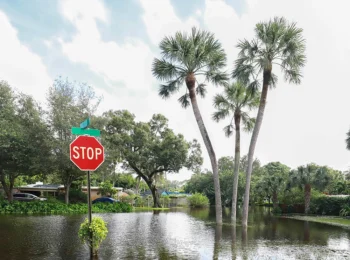

In the U.S., hurricane season runs from early June through late November, bringing severe weather that can damage homes inside and out. While structural destruction is the most visible consequence, storms also create an environment where pests thrive. As part of hurricane safety, it’s important to address these hidden risks promptly.
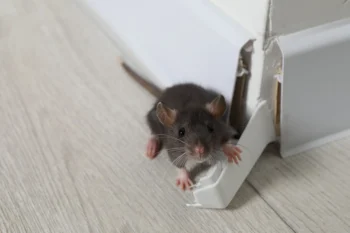
Pools of stagnant water after a hurricane give mosquitoes a perfect place to breed. Rodents can also become more active, taking advantage of weakened structures and disrupted surroundings. These issues can grow into serious infestations before anyone notices.
To prevent this, pest control should be part of any post-hurricane action plan. Quick intervention protects not only your property but also community health. For steps you can take right away, review our important post-hurricane information.
What to Do After a Hurricane
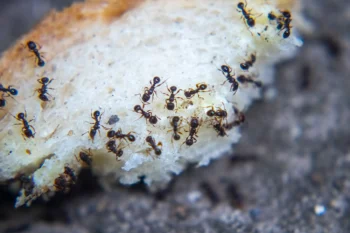
Hurricanes often leave behind conditions that attract pests such as mosquitoes and rodents. These pests can carry diseases, and rodents may also cause serious damage to a home’s structure. Standing floodwaters add another danger with fire ants that cluster together into floating colonies, ready to sting if approached.
Here are some important post-hurricane tips to help you stay safe once the storm has passed:
How to Control Mosquitoes After a Hurricane
- Improve Drainage: Make sure water moves freely through gutters, flower pots, ditches, and stormwater drains to stop mosquitoes from finding breeding spots.
- Remove Water: Get rid of all standing water around your home, checking places like buckets, tarps, tires, and lawn equipment where it might collect.
- Dress Safely: When cleaning up, wear long sleeves, pants, closed-toe shoes, and light-colored clothing to help protect yourself from bites.
- Use Repellent: Protect exposed skin with EPA-approved insect repellents containing DEET, picaridin, or oil of lemon eucalyptus.
- Avoid Peak Times: Limit outdoor activity at dawn and dusk, when mosquito activity and the chance of bites are highest.
Defend Your Home Against Pests Following a Storm
- Dry Out: Remove excess moisture from your home by getting rid of soaked carpets, rugs, and furniture to help prevent mold from developing.
- Clear Debris: Clean up leaves, branches, and fallen trees in your yard, as they can provide shelter for pests.
- Seal Damage: Quickly repair structural issues and close any holes or gaps to keep pests from entering your home.
- Unclog Gutters: Clear gutters and storm drains to avoid water buildup and reduce pest activity.
- Manage Waste: Keep trash bins clean and store them away from your home to prevent attracting pests.
Ensuring Food Safety Post-Hurricane
- Boxed Goods: Throw away all packaged dry goods such as cereal, flour, pasta, and similar items, even if they seem dry.
- Flooded Produce: Avoid eating fruits, vegetables, or any unpackaged food that has been in contact with floodwaters.
- Damaged Cans: Discard any canned food with bulging, dented seams, or visible swelling.
- Unsafe Cans: Do not use cans with snap tops, pull tops, or any home-canned goods, as they may be unsafe.
- Spoiled Refrigeration: If your refrigerator lost power during the storm, dispose of all perishable food inside.
- Thawed Frozen Items: Do not eat frozen food that thawed above 41°F or was thawed for more than four hours.
- Contaminated Gardens: Do not consume produce from gardens that were touched by floodwaters.
- Sanitize Surfaces: Clean and disinfect all dishes, utensils, and food contact surfaces before using them.
- Discard Porous Items: Get rid of items that cannot be fully disinfected, including wooden cutting boards, baby bottle nipples, paper napkins, and paper towels.
Do Hurricanes Increase the Risk of Mosquito-Borne Diseases?
Hurricane damage often creates ideal conditions for mosquito breeding. Flooded areas and standing water left behind by the storm serve as perfect places for mosquitoes to lay eggs, leading to a quick rise in their numbers. Although many mosquitoes perish during the hurricane, the remaining floodwaters stimulate the hatching of dormant eggs, resulting in a new generation. Mosquitoes typically start to appear seven to ten days after the hurricane hits.
Once hatched, female mosquitoes seek blood meals to continue the reproductive cycle. If mosquito control is not promptly implemented during recovery, populations can explode, increasing the chances of mosquito-borne illnesses in affected areas.
The surge in mosquito numbers poses challenges for hurricane recovery. Residents and relief workers face greater exposure to bites, especially during power outages without air conditioning. Damaged window screens make it easier for mosquitoes to enter homes, raising health risks and potentially slowing down recovery efforts. Effective mosquito control is therefore essential.
Protecting Public Health with Effective Mosquito Control
Mosquito-borne illnesses are a year-round concern in Jacksonville FL, regardless of natural disasters like hurricanes. During hurricane recovery, consistent mosquito control and surveillance are especially crucial to keeping these dangers under control. By teaming up with professional exterminators such as Bug Out, the city can implement precise measures to lower the risk of diseases like West Nile, Zika, and dengue. Safeguarding public health requires a sustained, community-wide approach.
When a hurricane strikes your community, we stand ready to assist our customers and neighbors. Contact Bug Out for reliable support and advice. Our team is here to serve you.