
Key Takeaways – How to Protect Your Lawn from Chinch Bugs
- Chinch bugs inject a permanent toxin that destroys the plant’s vascular system, meaning grass usually cannot be saved by watering once it turns brown.
- Infestations typically begin in hot, dry areas along driveways and sidewalks, creating a “striped” pattern of yellowing grass as the soil loses moisture.
- Populations explode during dry spells because the natural predators and diseases that normally control these pests require a moist environment to survive.
- The “coffee can test” is the most reliable detection method, using a water-filled tube to float the tiny, 1/5-inch insects to the surface for identification.
- Rapid professional intervention is critical because a single female can lay 500 eggs, allowing a swarm to destroy an entire lawn before DIY treatments can take effect.
Chinch Bugs in Florida – How to Protect Your Lawn
Is your lawn still struggling despite your best efforts? You may be dealing with chinch bugs without even realizing it. Chinch bugs in Florida are extremely common and many homeowners ignore the problem thinking it will go away on its own. But it won’t. These tiny invaders can destroy your grass before you even know it.
To protect your yard, you need to act promptly. This Guide to Chinch Bugs in Florida will give you the right information, so you will be able to determine whether these insects have invited themselves onto your property, and plan your next steps to protect your lawn.
What Are Chinch Bugs?
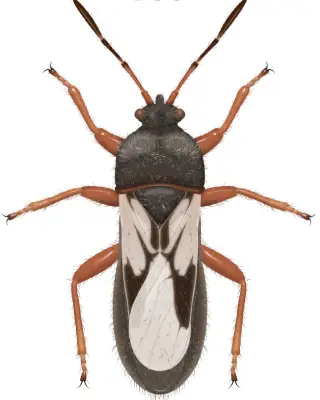
Chinch bugs are common throughout the U.S., but the Southern Chinch Bug is a native Florida pest that specifically loves St. Augustine turf.
| Fast Facts | |
| Appearance | Tiny “true bugs” (order Hemiptera), less than 1/5 inch long, typically brown/black with white wings. |
| Diet | Plant-eating insects that use a needle-like “stylet” to suck out nutrients. |
| Breeding | Highly prolific; a single female can lay up to 500 eggs in her lifetime. |
| Habitat | They live in the thick thatch layer of your lawn and are often found in large swarms. |
How Do Chinch Bugs Kill Your Grass?
Chinch bugs don’t just drink from your lawn; they actively poison it. If nobody steps in to stop them, they will quickly spread to other areas, causing destruction you can’t afford to overlook.
- Toxic Saliva: As they suck out plant juices, they inject a toxin that causes the plant’s “veins” to close.
- Water Blockage: Once the toxin is injected, the root system can no longer provide water to the blade.
- False Recovery: If you notice a yellowing lawn and water it, the bugs may simply burrow back into the thatch. However, the grass is often “toast”—there is no saving it once the toxin has been injected.
- Delayed Damage: Because of this toxic saliva, it is common to see even more damage appear in infested areas shortly after the bugs have been controlled.
How to Identify a Chinch Bug Infestation
Locating chinch bugs is not always easy, but you can learn to spot the signs with practice. They usually only attack the blades of the grass when the lawn is dry; otherwise, they stay hidden in the thatch.
Here’s where to look for chinch bugs. You will see the most significant damage when the population reaches 20–25 chinch bugs per square foot.
- Striped Areas: Look for yellow or brown strips of lawn along sidewalks and driveways. These paved surfaces absorb heat and dry the soil out quickly, making them prime targets.
- Dry Spots: Check “peaks” or uneven areas of the lawn that don’t hold moisture as well as the “valleys.”
The Coffee Can Test
If you don’t see anything by checking the blades on your hands and knees, try this:
- Cut both ends off a coffee can to create a tube.
- Stick one end of the tube into the ground and fill it with water.
- Let it sit for a few minutes. If you have an infestation, the chinch bugs will float to the surface.
How to Prevent Chinch Bugs in Your Lawn
The best way to manage chinch bugs is to prevent their population from spiking in the first place.
- Moisture Management: Keep the top layer of soil moist. This encourages natural predators and fungi that keep chinch bug populations in check.
- Thatch Control: Chinch bugs live in the thatch (the layer of organic debris between the grass and soil). Vertical mowing or power raking helps remove their “home.”
- Mowing Height: Avoid mowing your grass too short. Taller grass shades the soil, keeping it cooler and more moist, which chinch bugs dislike.
For more information, check out our Guide to Lawn Pest Prevention.
What to do After a Chinch Infestation
Because chinch bugs inject a permanent toxin, “watering” a dead patch won’t bring it back.
- Sod Replacement: If the damage is extensive, a new lawn may need to be installed, ideally by laying fresh sod.
- Lawn Rehabilitation: For smaller areas, regular maintenance and professional fertilization can help the surrounding healthy grass fill in the gaps once the bugs are destroyed.
- Pest Clearing: A new lawn will not grow if the existing chinch bugs aren’t eliminated first. You must ensure the population is gone before investing in new grass.
Call Bug Out – Florida’s Local Lawn Pest Control Specialists
While store-bought products can work, they often only go so far. At Bug Out, we provide a full range of lawn care services to ensure your property maintains its curb appeal all year long.
Our expert technicians have the training and equipment to provide lasting control for chinch bugs and other lawn pests like armyworms, sod webworms, and grubs. We also offer broadleaf weed control and fertilizer treatments to enhance the health of your grass.
Give us a call today to set up a free evaluation! We look forward to the chance to serve you and help you enjoy a greener, pest-free lawn.