
Serving Ocala | St Augustine | Gainesville | Palm Valley
The risks of lawn pest infestation are significant. They’ll come in and chew your grass and create unsightly raised dirt mounds, but it’s more than just cosmetic damage. They leave your lawn vulnerable to disease, and some can even transmit illnesses to humans. Once yard pests have a foothold, they can be extremely difficult to eliminate.
That’s why prevention is the best strategy, and to help you out, the experts at Bug Out have put together a guide to the basics of lawn pest control.
Which Lawn Pests Are Found in Florida?
It’s difficult to prevent pests that you aren’t familiar with. That’s why the first step to lawn pest control is learning about the most common in your area. Here in Florida, these are the most common lawn pests:
- White grubs are beetle larvae with a small C-shaped, cream-colored body with six legs and antennae.
- Mole crickets frequently dig in lawns. They have thick legs, a stocky cylindrical body, and wings that cover about 75% of their body.
- Sod webworms are moth larvae that are translucent and green-yellow in color.
- Chinch bugs have black bodies and overlapping wings covered in white triangular patterns.
- Armyworms are 1-2″ long and have a gray-colored body with longitudinal lines and an upside-down Y shape on their head.
- Rodents can spread Hantavirus and the plague. It’s important to get professional help if you are dealing with rodents.
Tips to Prevent a Lawn Pest Infestation
Knowing how to make your yard less appealing to pests is a great way to keep your property safe from the damage that they can cause. Just a little bit of prevention could save you time and the trouble of a full-blown infestation.
- Raking regularly: Pests of all types love to hide out in layers of dead leaves, twigs, and other debris. Raking your lawn will prevent them from settling into your space.
- Remember to mow: Pests are less likely to burrow in short and well-manicured grass. To make your lawn less attractive to critters, keep the blades short and neat.
- Preventing weeds: In addition to being a cosmetic issue, weeds can contribute to your pest problem. Investing in weed control is a great way to improve the look of your lawn while preventing pests.
- Fixing moisture issues: From leaky gutters to overwatering, there are a number of reasons why you could be dealing with moisture issues. While some extra water may not seem like a big deal, insects and rodents are attracted to damp spaces.
How to Tell If You’re Dealing with a Lawn Pest Infestation
Unless you know what to look for, it can be really challenging to identify an infestation until there’s significant damage. To spot pests before they can cause serious problems, look out for these signs of a lawn pest infestation:
- Signs of chewing on grass blades
- Patches or strips of dead grass
- Small holes throughout your lawn
- Dirt mounds, burrows, or piles
- Visible pests or eggs
Ways to Get Rid of Lawn Pests
Infestations can spread quickly, which is why you’ll want to act fast if you notice pests in your lawn. Thankfully, getting rid of lawn pests doesn’t have to be overly complicated or challenging. Follow these simple steps to get rid of an infestation:
1. Keep Your Property Clean
Many people overlook the power of a clean and tidy yard when it comes to pest control and prevention. However, infestations thrive in cluttered spaces that offer ample access to food and water. Cleaning your property is a great way to deter pests from settling into your space.
- Keep pet food and bowls indoors
- Properly dispose of trash in lidded bins
- Store toys and tools indoors
- Regularly rake and mow
- Fix plumbing or irrigation leaks
- Clean out your gutters
2. Use Natural Pest Control Techniques
When it comes to battling an infestation, many people believe that they need to take an aggressive approach right off the bat. However, natural pest control remedies can be incredibly effective long-term, while also minimizing your environmental impact and health risks.
3. Dethatch and Aerate
Healthy lawns will develop a layer of organic matter, such as dead grass stems and old lawn clippings. This layer is called thatch, and it can become a haven for pests. Layers that measure over ¾” may be damaging to your lawn and could encourage infestations.
To break down thick thatch layers, you’ll want to aerate your lawn. This process involves poking small holes into the surface of your turf, which breaks apart the thatch while promoting airflow to the roots. Not only does aerating make it more challenging for pests to nest in your grass, but it also promotes healthier and stronger blades that are more resilient against disease.
4. Welcome Natural Predators
Natural predators are a vastly underutilized tool when it comes to pest control. Beneficial insects and birds are experts at finding and eliminating harmful pests, which is why they can be so helpful in getting rid of infestations. Try encouraging natural predators such as:
- Ladybugs
- Big-eyed bugs
- Praying mantises
- Lacewings
- Wrens
- Bluebirds
5. Use Neem Oil Spray
Neem oil is a completely natural pest repellent that comes from the seeds of neem trees. In addition to being biodegradable and nontoxic to pets or wildlife, this substance is also antifungal and antibacterial. By disrupting the insect life cycle, it can be a very effective way to reduce pest populations.
Shoppers can purchase pre-made neem oil spray at gardening stores. Or to make your own, mix a quart of water with two teaspoons of neem oil and one teaspoon of mild soap. This mixture can be sprayed directly onto the grass to deter pests or eliminate infestations.
The Pesticide Option
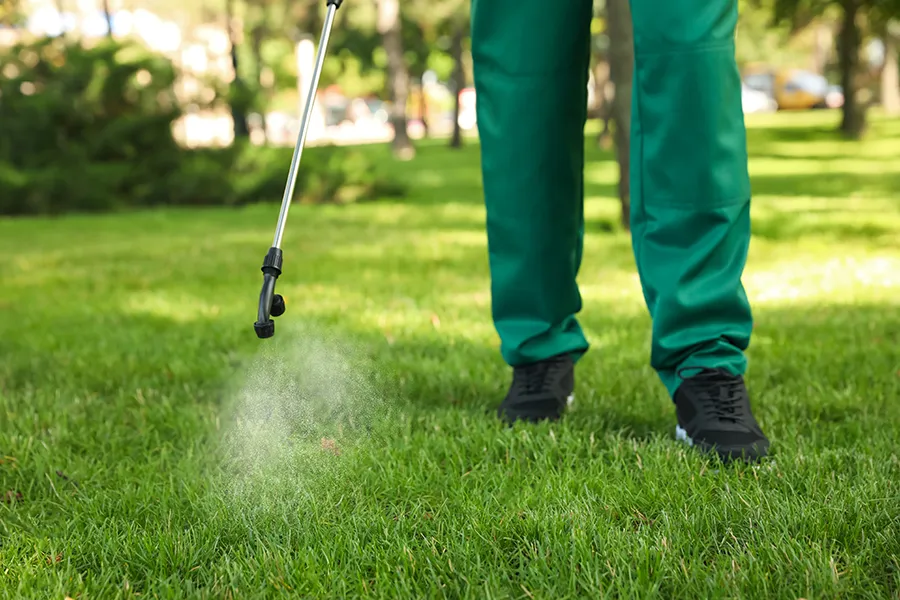
Some infestations are severe and may require the use of pesticides. While pesticides are incredibly effective, they should only be used as a last resort as they contain strong chemicals that can have serious consequences for human health and the environment. If you are considering using a pesticide, be sure to do your research or work with a qualified professional.
Only use pesticides if:
- You have considered all of your risk factors: Households with pets or small children have a higher risk of accidents, which makes pesticides a more dangerous option. Carefully consider all of your risk factors before determining if pesticides are right for you
- You have already tried natural alternatives: Pesticides should be used sparingly, and never as a first approach to pest control. Only turn to chemical solutions once you have tried natural alternatives.
- You are facing a serious or dangerous pest: Some pests, like rats or mice, pose a bigger threat to the health and well-being of your family. If you are dealing with a potentially harmful pest and are not seeing success with natural remedies, then a pesticide may be the right choice.
- You have researched safe and effective products: Shoppers can choose from thousands of pesticide products, but not all are safe or effective. Knowing how to read the product label will help you choose the right option for your situation.
- You are complying with all local rules and regulations: Since pesticides involve such harsh chemicals, many cities and communities have strict rules and regulations regarding their application. Be sure to read through your local guidelines to ensure you are complying with the law.
- You are 100% confident that you can safely handle the chemicals: Mistakes with pesticide application could damage your property or health, and may even lead to death. If you have any questions or doubts about your ability to safely apply a treatment, you should contact a professional.
Pesticide Safety Reminders
Since many pesticides contain potentially harmful chemicals, it’s crucial that you take all safety precautions to avoid an accident. To keep yourself and your household safe, keep in mind these pesticide safety reminders:
- Thoroughly read the product instructions.
- Wear all necessary safety protective gear.
- Measure meticulously and accurately.
- Keep children and pets far away from the treatment.
- Leave a warning sign after spraying.
- Have a safety plan in case of accidental exposure.
If you save a lawn pest infestation that you can’t seem to get rid of or want to make sure your property is always protected from infestations, your local lawn care experts can help.


