Cómo regar su césped
- What is the best time of day to water my lawn?
- How much water should my lawn get?
- Should I water my lawn each day?
- Do I need to water my lawn in the winter?
- How should I adjust my watering schedule in the summer?
- Should I water my lawn after mowing?
- How can I tell if I am overwatering my lawn?
- How can I tell if my lawn needs more water?
- What are the benefits of lawn aeration?
- How can soil compaction damage my lawn?
- What type of fertilizer should I use for my lawn?
- What is the best month to fertilize my lawn?
- Should I fertilize a wet or dry lawn?
- How long does it take granular fertilizer to dissolve?
- How does rain impact my lawn after fertilization?
- Is it okay to fertilize and seed at the same time?
- What does potassium do for lawns?
- How can I tell if I have pests in my lawn?
- What types of lawn pests live in Jacksonville FL?
- Should I apply an insecticide to my lawn?
- When should I use an insecticide?
- How should I apply insecticide to my lawn?
- Can I apply insecticide and fertilizer at the same time?
- Should I apply insecticide after overseeding?
- How can I keep pests out of my lawn?
- What type of fungus or disease does my lawn have?
- What types of weeds are common in Jacksonville FL lawns?
- When should I apply a fungicide to my lawn?
- Should I apply a weed killer on my lawn?
- What is the best type of fungicide to use in Jacksonville FL?
- What is the best type of weed killer for Jacksonville FL lawns?
- What are the signs that my lawn is unhealthy?
- What should I do if my lawn is dying?
- How to Treat Brown Patch Fungus In Your Lawn
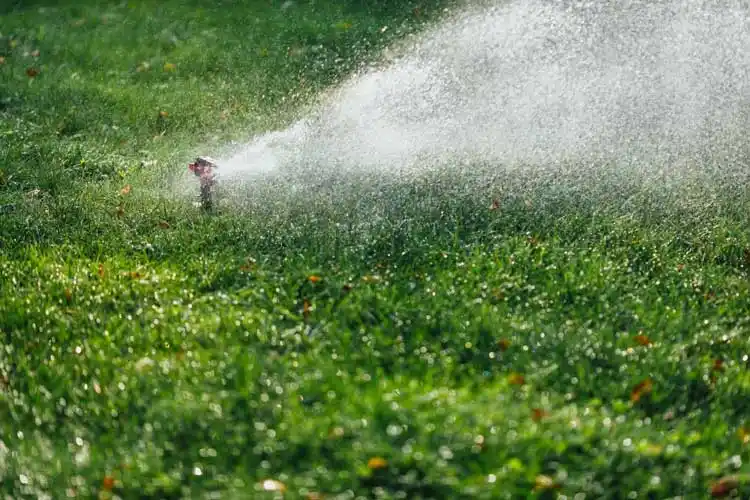
El mejor momento para regar su césped es temprano por la mañana o al final de la tarde. Esto asegura que el pasto absorba el agua antes de que el calor intenso del sol pueda causar algún daño. Obtenga más información sobre los horarios de riego aquí.
Su césped debe recibir de 1 a 1.5 pulgadas de agua semanalmente, incluyendo la lluvia. Tenga en cuenta que cada césped tiene necesidades diferentes. Encuentre más consejos sobre riego aquí.
Regar el césped profundamente y con menos frecuencia ayuda a evitar problemas como raíces poco profundas e infecciones por hongos. Por eso no se recomienda el riego diario. Aprenda más aquí.
Dado que el césped entra en estado de latencia durante el clima frío, regar en invierno puede causar un exceso de humedad y posibles problemas de salud. Aprenda cómo cuidar adecuadamente su césped durante el invierno aquí.
El clima riguroso del verano puede estresar mucho su césped, por lo que asegurar que reciba suficiente agua es clave. Descubra cómo modificar su programa de riego para el verano aquí.
Regar el césped después de cortarlo puede ser útil en algunos casos, pero solo si su césped requiere más humedad. Recomendamos mantener las tareas de riego y corte por separado. Aprenda más sobre el riego después de cortar el césped aquí.
Si observa crecimiento de hongos, problemas de drenaje o suelo blando y esponjoso, podría significar que su césped está siendo regado en exceso. Descubra más señales de exceso de riego aquí.
Cuando el césped se deshidrata, a menudo se torna marrón, quebradizo y poco saludable. Aquí le mostramos cómo saber si su césped necesita más agua.