
 Key Takeaways:
- You can use plants to repel bees and wasps, which include basil, geranium, spearmint, and more.
- Some essential oils can also repel these pests, including citronella, eucalyptus, and peppermint oil.
- You can use the decoy nest strategy to trick wasps into thinking a nest is already established on your property.
- You have to be extra careful if you have a pool, since bees and wasps are attracted to them.
- Bees and wasps are also attracted to certain plants, including lilacs, poppies, wisteria, and sunflowers.
- These pests are also attracted to foods we enjoy outdoors.
- Your clothing matters, too, so wear clothes that cover you up and are in light, neutral colors.
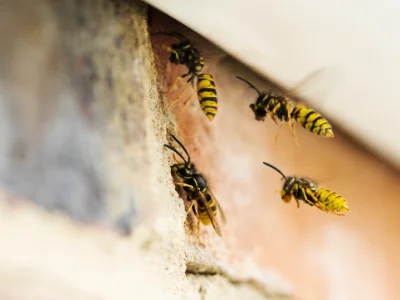
It’s summer in the South, which means the days are sunny and hot, and flowers and trees are in full bloom. Picnics and barbecues are also on the calendar. What you may not know is that all of these are as attractive to wasps and bees as they are to humans. Which means you need to remove these attractants to repel them naturally. But there are other methods, too.
Wish there was a way to repel bees and wasps without using a bug spray that repels you, too? Read on to learn all-natural techniques to repel bees and wasps.
Plants That Repel Bees and Wasps
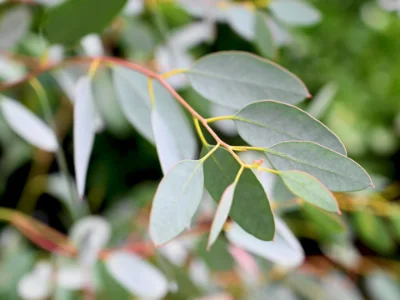
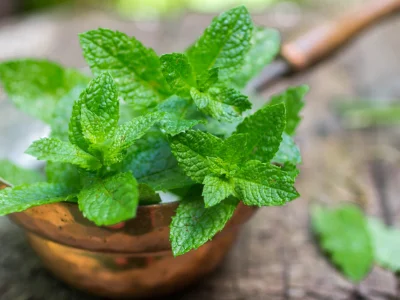
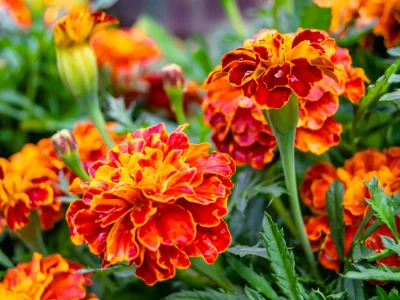
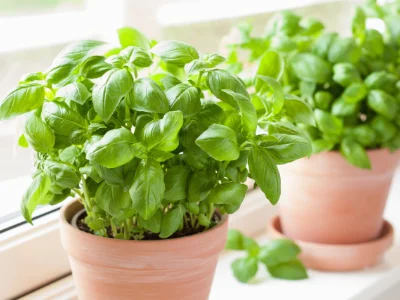
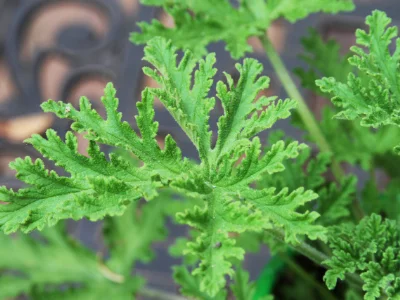
Bees and wasps are repelled by the following plants, most of which have strong herb or mint smells:
- Basil
- Citronella
- Eucalyptus
- Geraniums
- Marigolds
- Peppermint
- Spearmint
- Thyme
- Wormwood
If you don’t mind their strong scents, consider adding some of these near the outdoor spaces you use regularly at your home to help act as a natural bee repellent and keep stinging insects away.
Repel Bees & Wasps with These Essential Oils
Another all-natural way to keep stinging insects away is by making a bee repellent spray using essential oils. Bees and wasps dislike the smell of these essential oils:
- Citronella Oil
- Clove Oil
- Eucalyptus Oil
- Geranium Oil
- Peppermint Oil
- Rosemary Oil
- Peppermint Oil
To make an all-natural pest repellent spray, simply combine one or more of these essential oils with water. Use a ratio of two drops of essential oil per one ounce of water.
How You Can Use Peppermint Oil
Peppermint oil deserves special attention as one of the most effective natural bee and wasp repellents. Here’s how to put it to work around your Jacksonville FL home:
- Create a spray solution to use around doorways, window frames, and porch railings. Just mix 10-15 drops of peppermint oil in an empty spray bottle and fill the rest with water.
- Soak it in cotton balls and place them near outdoor seating areas, under eaves, and around your deck. And make sure to replace them every few days or after rainfall.
- Add it to cleaning products, then wipe down outdoor furniture. Just add a few drops of peppermint oil to your cleaning solution.
The Decoy Nest Strategy
Wasps are territorial creatures and typically won’t build a nest within 200 feet of another colony. You can use this instinct to your advantage with decoy nests.
Fake (decoy) wasp nests mimic the appearance of an established nest colony. So when wasps scout your property for potential nesting sites, they’ll spot the decoy and move along to find territory that isn’t already “claimed.”
You can purchase decoy nests at most home improvement stores, or make your own by stuffing a brown paper bag with newspaper or plastic bags and hanging it in a visible location. Hang them early in the season (late spring in Jacksonville FL) before wasps have established real nests for the best results.
What to Do if You Have a Pool
If you have a pool in your backyard, you’ve probably noticed that bees and wasps seem drawn to it (especially during our hot Jacksonville FL summers). That’s because these insects need water to survive, and your pool looks like an oasis to them.
Here are some ways to keep stinging insects away from your pool area:
- Provide an alternative water source, such as a shallow dish or birdbath.
- Use pool covers when it isn’t in use.
- Maintain your pool’s chemical balance.
- Avoid bright, floral patterns.
- Avoid sweet-smelling perfumes and scented products.
Plants That Attract Bees and Wasps
Bees and wasps are pollinators, so they like flowering plants. However, there are some flowers they’re particularly drawn to, including:
- Black-eyed Susan
- Honeysuckle
- Lantana
- Lilacs
- Perennial Yarrow
- Poppies
- Pale Purple Coneflower
- Sweet Fennel
- Wisteria
- Queen Anne’s Lace
- Sedum
- Snapdragon
- Sunflowers
If any of these flowers are growing near your home, especially if they’re near a deck, porch, patio, or other outdoor space, consider replanting them further away if you can. Additionally, knowing more about the preferred nesting sites can help you plan your garden better to avoid attracting wasps.
How to Be Careful With Food Outdoors
Humans aren’t the only species to enjoy our picnics, barbecues, and outdoor meals in the summer. Stinging insects are also attracted to our food and drinks. To reduce the chance of uninvited stinging guests crashing your cookout, follow these tips:
- As much as possible, don’t leave food out. Clean up as soon as you’re done eating.
- When you throw away food or food-related trash, make sure the trash can lid is sealed.
- Wasps are attracted to sugary drinks, so keep your soda or lemonade closed or covered.
As is the case with plants, there are some food items that repel stinging insects, including:
- Bay Leaves
- Cinnamon
- Cloves
- Cayenne Pepper
- Garlic
- Sliced Cucumber
- Vinegar
You can use these grocery items as all-natural bee and wasp repellents. Slice up some garlic or cucumber and leave it on a plate on your patio. Pour some vinegar into a jug and place it near a hammock. Place a line of some cinnamon sticks along your deck railing, etc.
Call Your Local Bee and Wasp Removal Experts
As you can see, there are several DIY ways to repel wasps and bees naturally. However, these approaches may not be enough. If you need to hire a company for bee and wasp removal to get rid of stinging insects on your property, look to Bug Out.
Attempting to remove a nest yourself can be dangerous. Our trained technicians know how to safely locate and remove nests without putting you or your family at risk.
Bug Out’s Integrated Pest Management (IPM) approach helps get rid of pests while still being eco-friendly. We’ll work with you to address your stinging insect problem while minimizing the use of harsh chemicals.
Contact us today for your free estimate!
FAQs


